In WMH  Farms v. Apache Corporation the Third Circuit Court of Appeal reversed summary judgment in favor of plaintiff/landowner WMH against lessee JP Oil and dismissed JP’s third-party demand against Walter Oil and Gas.

Then the Louisiana Supreme Court reversed the court of appeal, reinstated the summary judgment, and remanded. We will report on the


In Ageron Energy LLC v. ETC Texas Pipeline, LTD Justice Busby authored a concurring opinion in the denial of a petition for review to the Supreme Court in which he criticized the majority opinion of the Court of Appeals saying it undermines important protections afforded mineral rights owners. To understand this case, see the COA’s

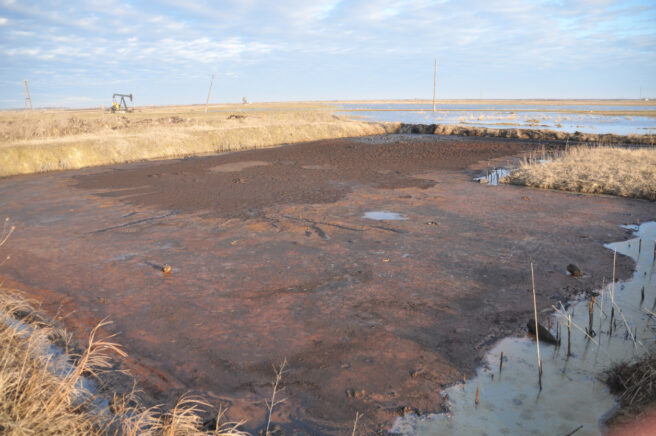
Withrow v. Chevron is another Louisiana legacy lawsuit, this one claiming that defendants Chevron and Vernon E. Faulconer, Inc., and their predecessors, improperly disposed of toxic and hazardous oilfield wastes in unlined earthen pits causing leaks, spills and other surface and subsurface damages and contaminating the soil and groundwater.

Defendants’ filed a Rule 12(b)(6) motion to dismiss the whole shebang for failure to state a claim. To defeat the motion the plaintiff had to plead specific facts, not mere conclusory allegations or legal conclusions masquerading as factual conclusions. On the other hand, a complaint should not be dismissed for failure to state a claim unless it appears beyond doubt that the plaintiff can prove no set of facts in support of his claim which would entitle him to relief.

This the court did not offer much in the way of reasoning for its rulings; there will be plenty of time for that. The order is helpful as a laundry list of claims often asserted by legacy plaintiffs.

The court considered the following claims:
Continue Reading Louisiana Legacy Lawsuit Survives Motion to Dismiss

Co-author Jamie Mills*

Is it worth spending extra dollars, days, and windshield time to discover what mischief your oil and gas operator might be making on your property? The landowner-plaintiffs in Mustafa v. Americo Energy would certainly say so.

The “discovery rule” offered them no help in their suit against their lessee for negligence when visible soil contamination occurred over two years before suit and was filed and the landowners had not visited the property in over six years. The two-year statute of limitations barred the landowners’ claim.
Continue Reading Landowners Vanquished by the Discovery Rule