
Co-author Taylor Hall
In MIECO LLC v. Pioneer Natural Resources USA Inc., the U. S. District Court for the Northern District of Texas, on remand from the Fifth Circuit (see our report on that opinion) addressed two questions:
- Did Winter Storm Uri prevent Pioneer’s delivery of natural gas under the parties’ NAESB Base Contract (Yes, it did), and
- Did Pioneer use reasonable efforts to avoid the storm’s adverse effects. (Yes, it did).
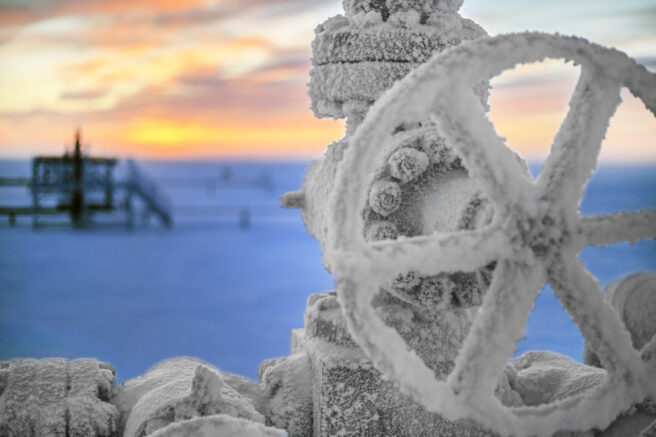
As with most other Uri cases we recall, the Court concluded that Uri prevented Pioneer’s performance. The storm caused widespread freeze‑offs, outages, and processing failures across the Permian Basin, reducing Pioneer’s production to nearly zero and curtailing deliveries from February 14 through 19, 2021.
Pioneer invoked the contract’s force majeure clause, which covered “weather related events affecting an entire geographic region,” including the freezing or failure of wells or lines, and required reasonable efforts to avoid adverse impacts.
The Court’s conclusion that Pioneer used reasonable efforts pointed to Pioneer’s preparation for Uri: the company undertook winterization measures, adjusted allocations, insulated wells and equipment, and prepared field resources in advance of the storm.
MIECO argued that Pioneer should have purchased third‑party gas to meet its delivery obligations. The court rejected that argument, citing industry practice: after declaring force majeure, a supplier that loses its supply is not expected to procure spot gas. Requiring such purchases would divert producers from restoring production, inflate spot prices during an emergency, and undermine the objective of mitigating the event’s effects by increasing supply in the affected region.
The court also rejected MIECO’s interpretation because it was unreasonable. To agree with MEICO would mean a storm like Uri or other catastrophic event could never prevent performance so long as gas exists somewhere or the seller has the funds to buy it. If Pioneer were required to avoid the adverse impact of Uri by performing its obligations, as MIECO argued, then no performance was being excused.
Because Uri prevented performance and Pioneer used reasonable efforts to mitigate its effects, the Court found Pioneer did not breach the parties’ contract.